A well-developed world gives you the chance to run multiple campaigns. For example, during the first campaign, players might hear rumors of a war up north. In a later campaign, that war can be a central plotline. Creating threads like this allows continuity and builds long-term player investment. Whenever possible, plant hints or future storylines to keep the world feeling alive. This connects directly with why players enjoy exploring towns or dungeons—they see that actions in one campaign can affect future adventures.
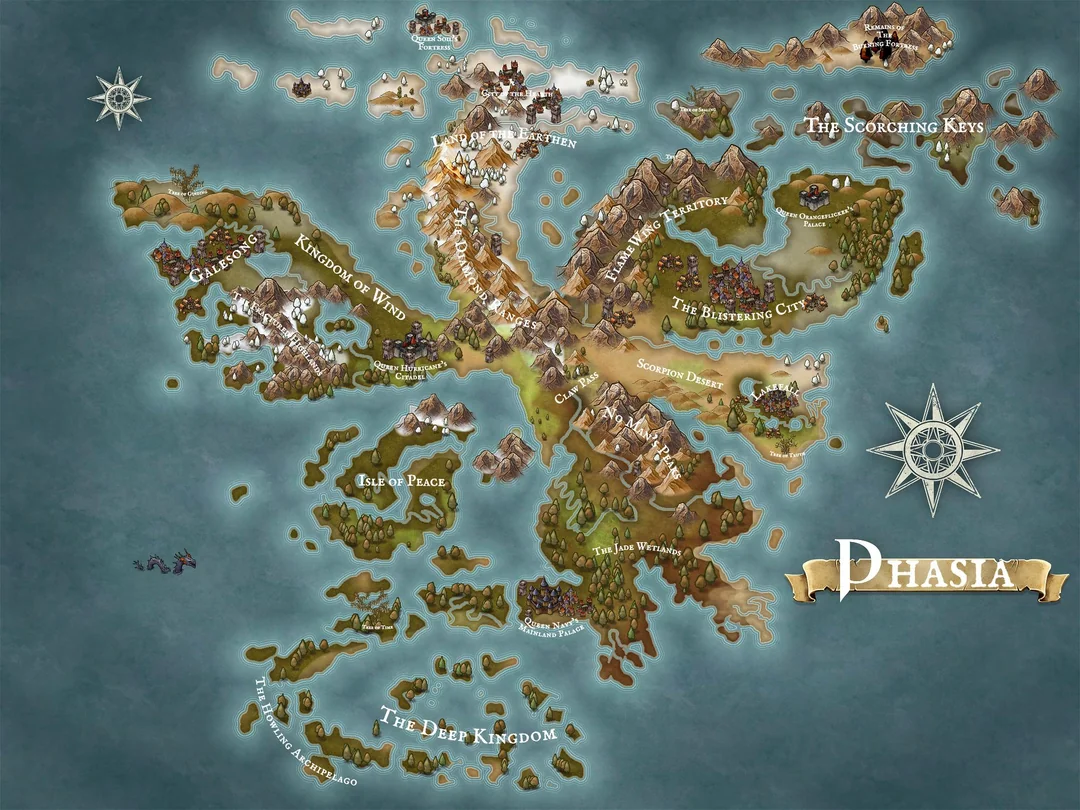
A map can be one of the best tools for player investment. Simply saying “you see the region” is fine, but giving players a physical or digital copy makes exploration much more interactive. Players can mark locations, plan routes, or investigate suspicious spots themselves. If the DM only describes these spots, it can feel like subtle railroading—players aren’t making choices, they’re being led. A map empowers players, giving them freedom and a sense of accomplishment when they discover something themselves.
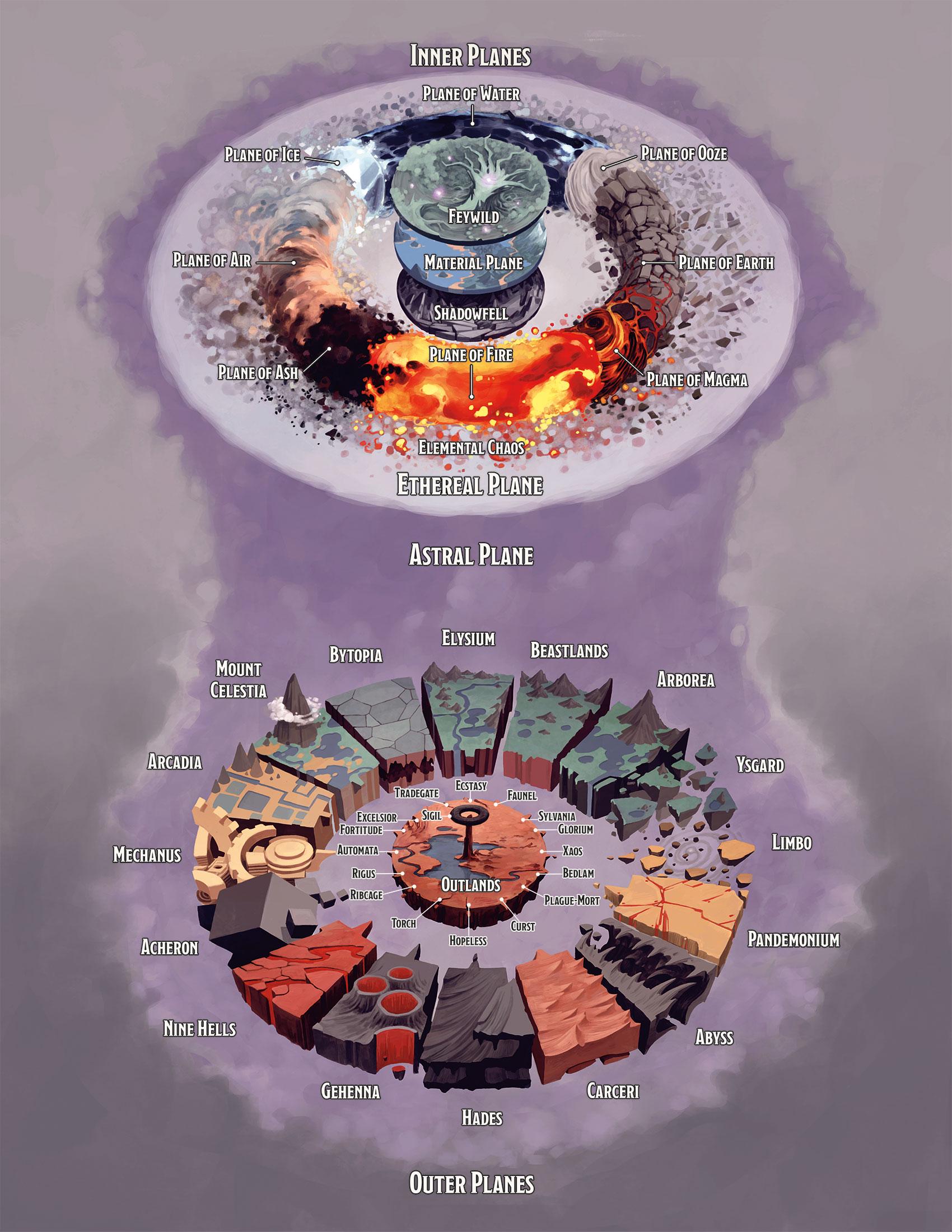
D&D worlds aren’t limited to one plane; the multiverse has many dimensions, or planes, each with unique environments and mechanics. Examples include the Feywild (a magical, chaotic realm), the Shadowfell (dark, eerie reflection of the material world), and the Nine Hells (layers of infernal bureaucracy and torment). Planes provide opportunities for creative adventures, unique monsters, and entirely new campaigns that can exist alongside your main world.